



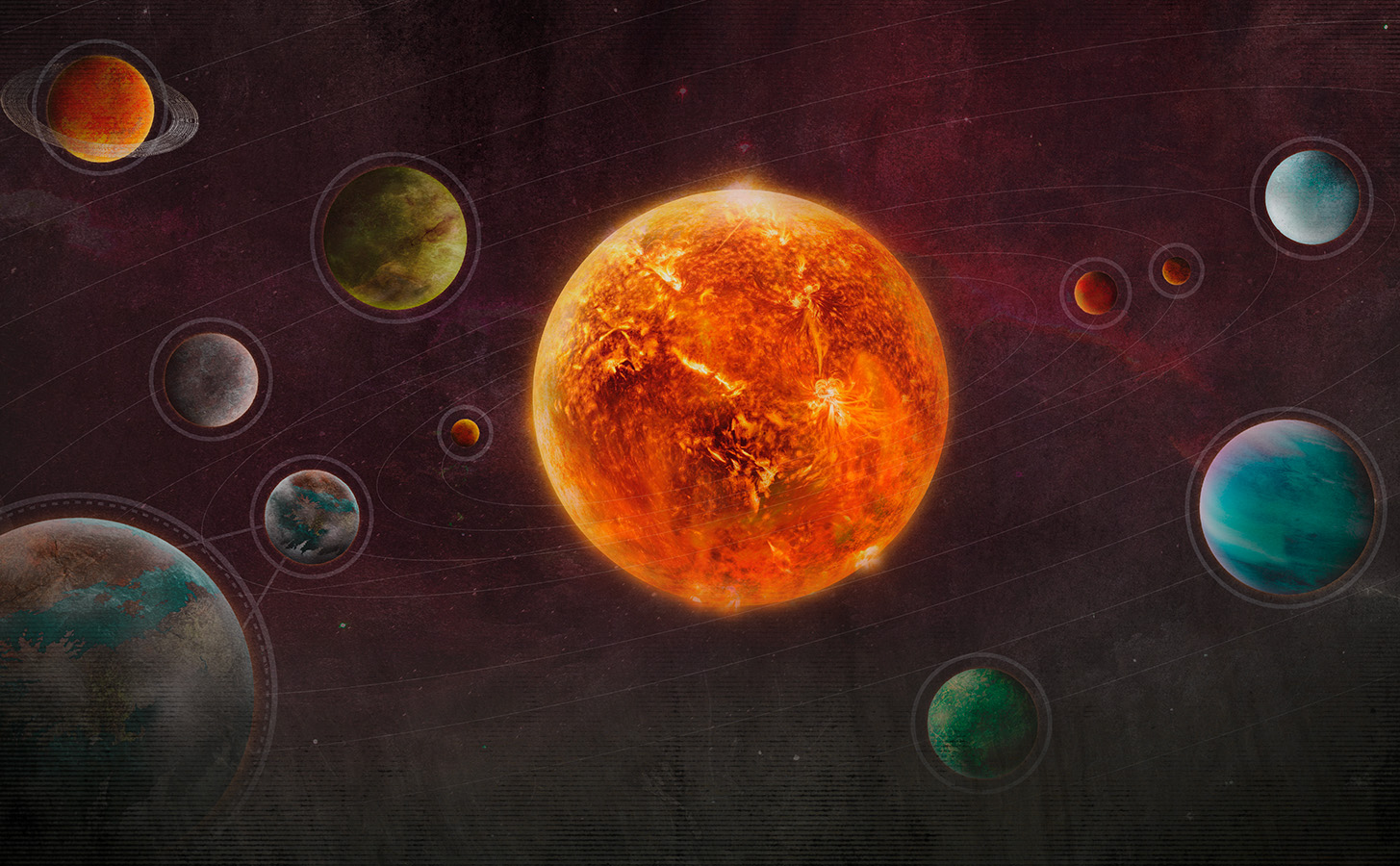
Last week, we took a whirlwind tour around the planets of the Armageddon System. Today, we’re making planetfall to learn about the major regions of the capital world – regions that will soon be filled to the brim with Orks.
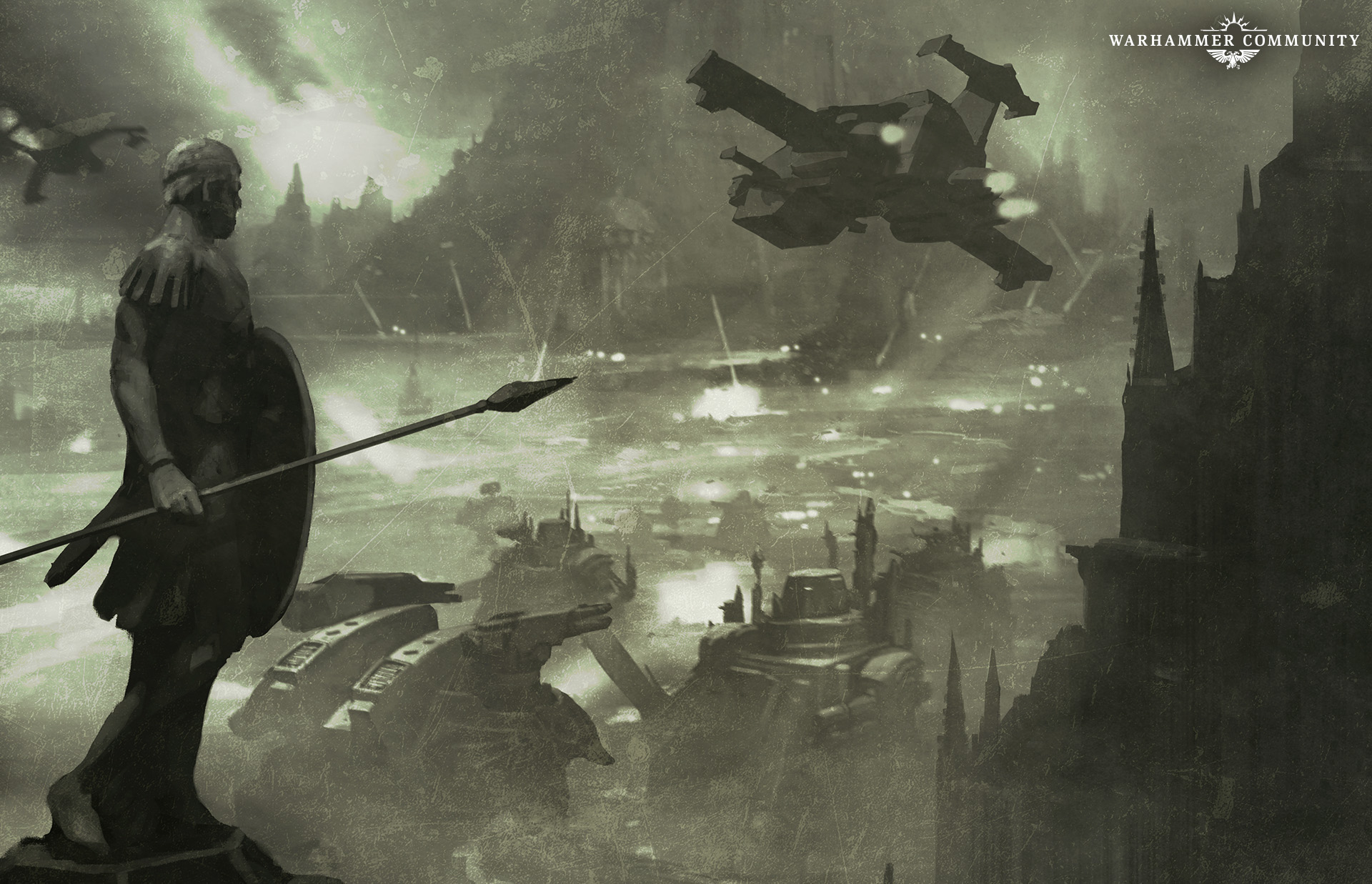
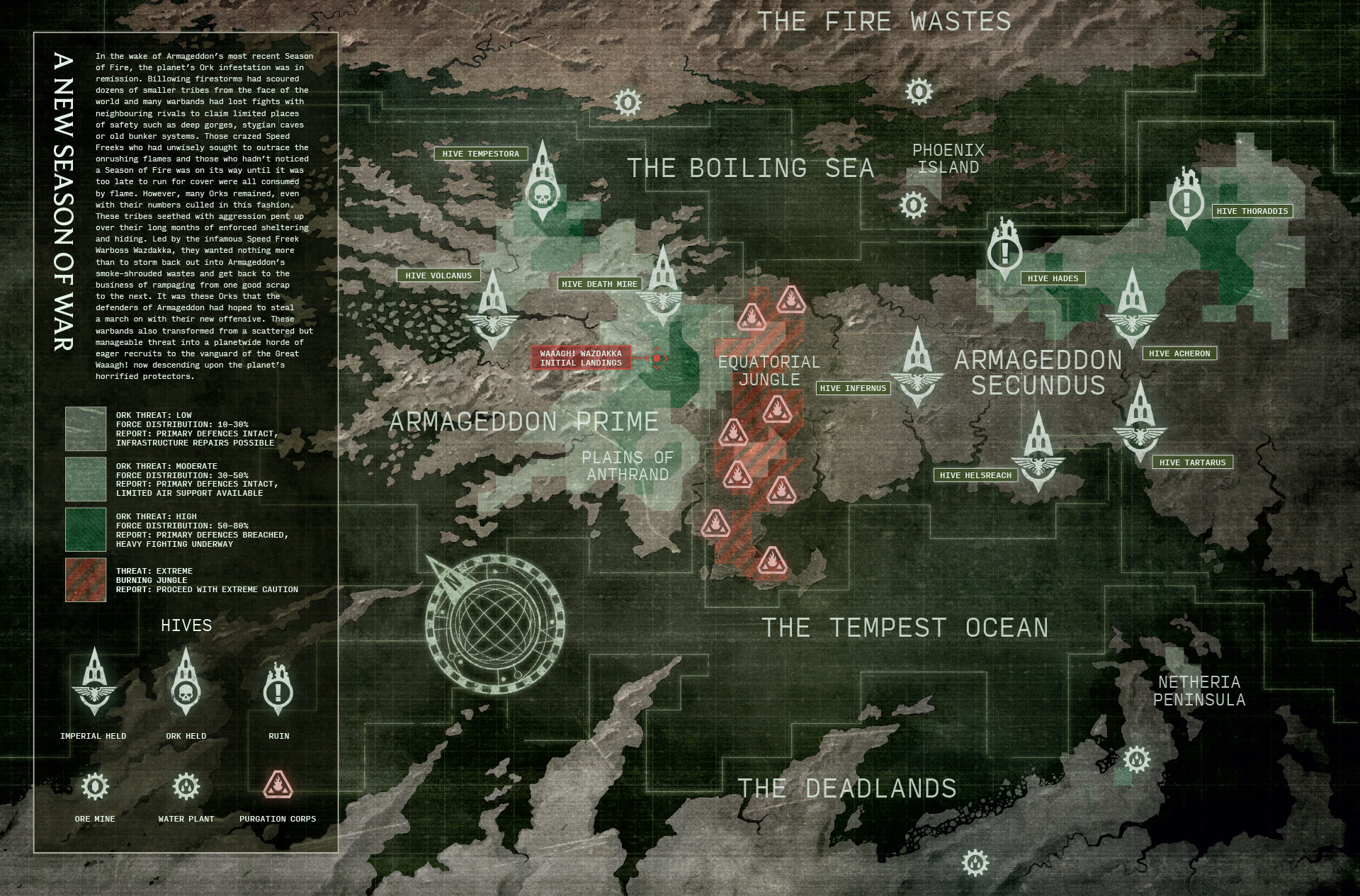
The bulk of Armageddon is a massive landmass that stretches across the centre of the planet, separated by hostile seas from desolate polar regions in the North and South. This central landmass contains two main regions, Armageddon Prime and Armageddon Secundus, with an immense equatorial jungle between them. Volcanic activity is rife, as Armageddon’s elliptical orbit plays havoc with its tectonics every time the planet edges closer to the system’s star, Tisra.
Armageddon Prime
Three major hive cities occupy the vast expanse of Armageddon Prime – Hive Volcanus, Hive Tempestora, and Hive Death Mire.
Volcanus is a heavily fortified bastion nestled within the largest mountain range on the planet, and a juicy target for major Ork attacks each time Ghazghkull has invaded. It is surrounded by an unfathomable graveyard of vehicle wrecks and battlefield debris, stretching all the way to the infamous Mannheim Gap – the only pass through the mountains large enough to fit super-heavy vehicles, and the final resting place of dozens of Titans and Gargants.
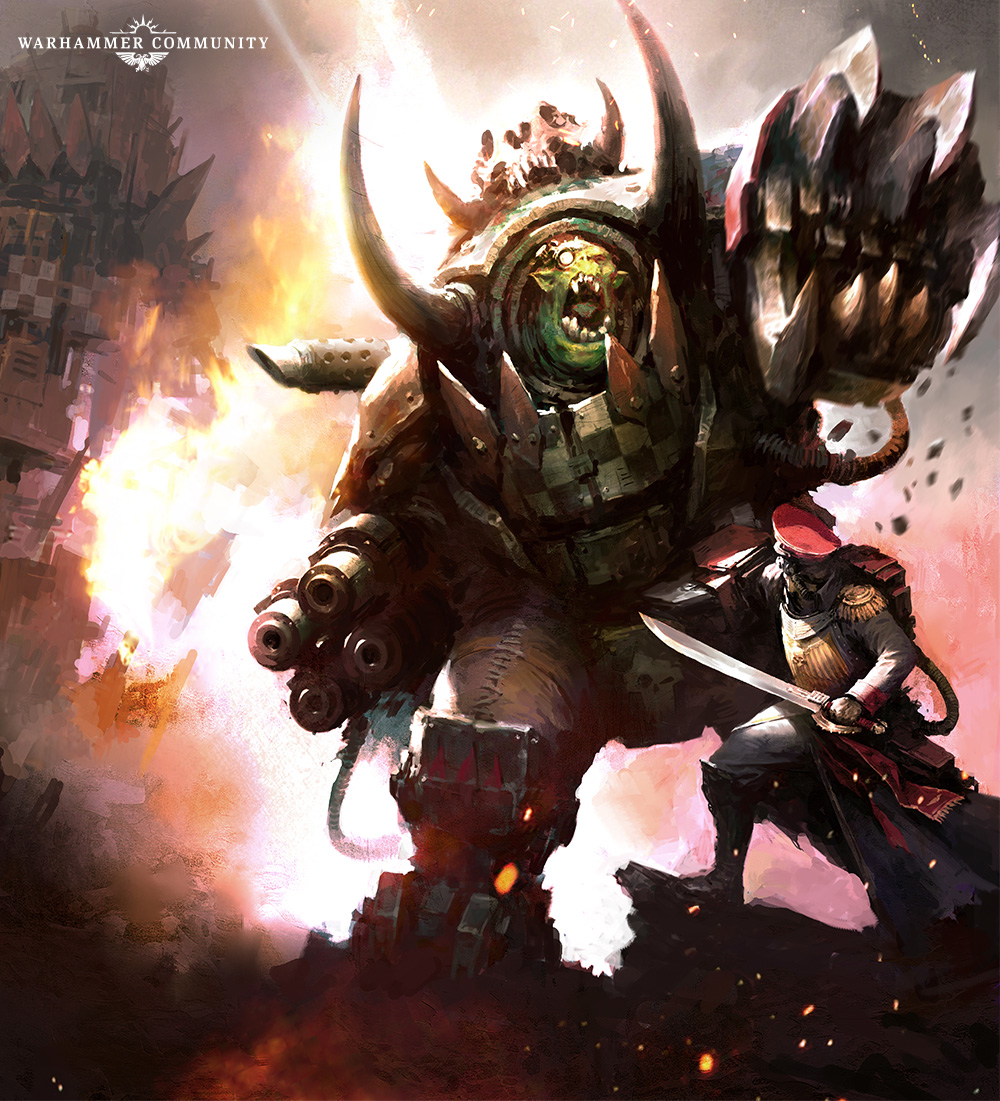
Hive Tempestora, by contrast, is the largest stronghold occupied by those Orks left on Armageddon when Ghazghkull Thraka went off to muster his Great Waaagh! Lorded over by Big Mek Glitztoof, they have managed to fend off Imperial reprisals ever since – with one notable exception – and now the hive is ringed by a miles-long network of trenches, bunkers, and fortifications known as the Morpheon Line, to keep the Orks inside.
Much of the terrain between these two hive cities and Hive Death Mire – home of critical logistical hubs and a vast scanning array, the Eyes of the Emperor observatory – is a lethal ash waste formed from millennia of accumulated pollutants, radioactive waste, and poisonous compounds. Humans must wear respirators at all times or suffer an agonising death within minutes, giving the more resilient Orks a distinct advantage.
The Equatorial Jungle
A massive and dense jungle stretches across the main continent like an armband of dark green vegetation, visible from space. Once the site of running battles between what scattered Imperial survivors claim to be sneaky, stealthy Ork assassins, the Equatorial Jungle is now infested with hundreds of disparate tribes who use the canopy as shelter from the planet’s Season of Fire – when temperatures on the surface soar to over 90°C, and tremors tear jagged rends in the ground.
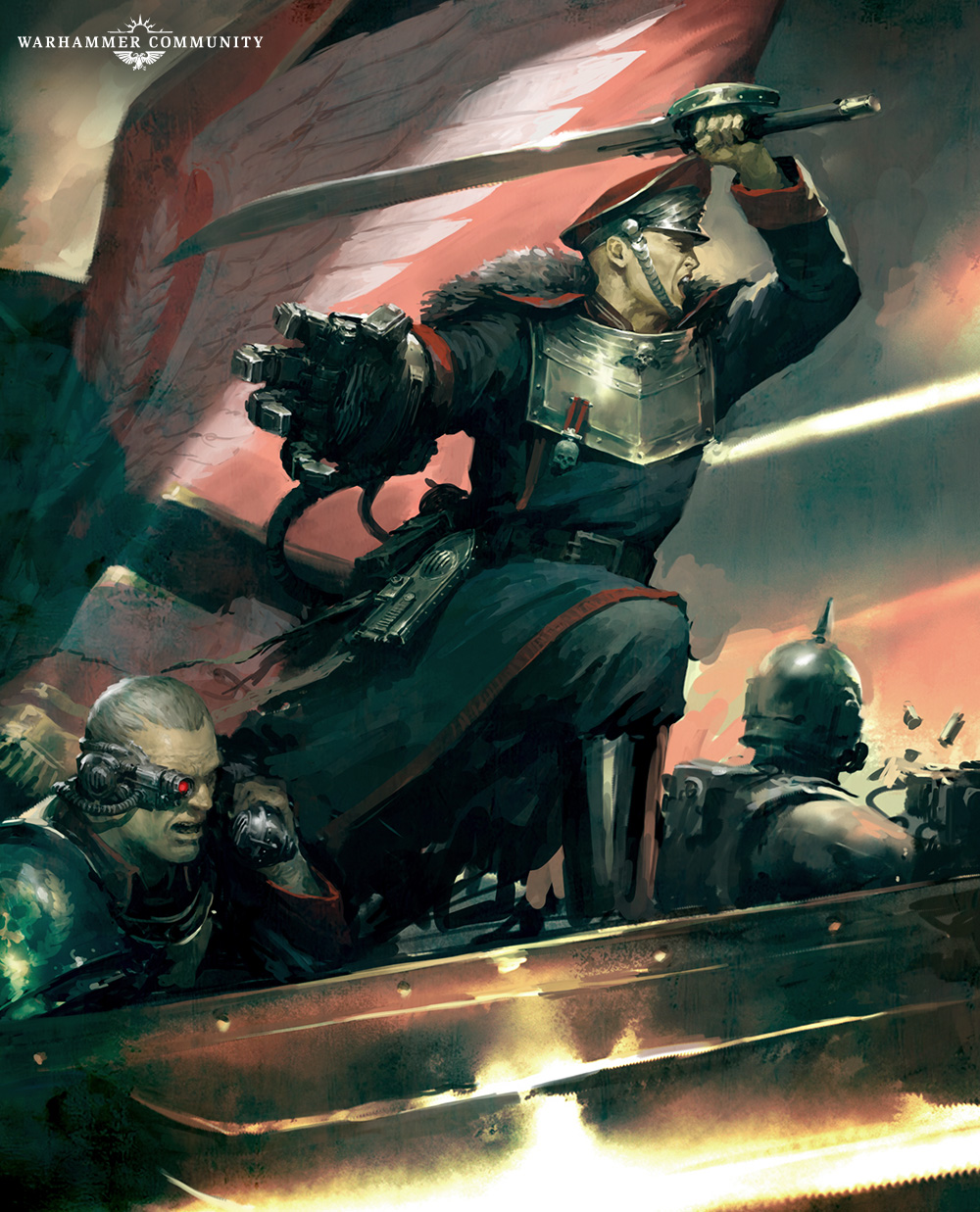
At the outset of Armageddon: The Return of Yarrick, Imperial command embarks on an audacious plan to rid the jungle of Orks once and for all: start at the edge, march forwards, and burn every last twig, branch, and root to cinders. Surely, a scheme with no drawbacks…
Armageddon Secundus
The second half of Armageddon’s main continent is far more industrialised than Prime and contains (or contained) a greater number of hive cities. The great Hades Hive – site of Commissar Yarrick’s famous defeat of Ghazghkull Thraka in the Second War for Armageddon – was obliterated by an orbital rok barrage at the outset of the third war, while the isolated Hive Thoraddis fell to Angron’s Khornate hordes during the recent Season of Blood.*
Of those hives that remain, Hive Infenus now lies under Imperial control, while Hive Helsreach** has lost most of its industrial workforce, and is still reeling from Ork attacks. Still, manufacturing facilities and transport hubs criss-cross the region and provide a vast majority of the materials Armageddon supplies when it’s not under constant attack, with the advanced infrastructure of Secundus making it much easier for Imperial forces to defend these cities than those of Prime.
Ghazghkull could clearly see the region’s importance, too, and so focused an overwhelming majority of his forces on dominating Secundus during the Second and Third Wars for Armageddon. Hives Infernus and Acheron fell to the Orks – the latter with the help of the traitorous former governor Von Strab*** – but have since been reclaimed by the Imperium and restocked with vital labour forces.
The Fire Wastes and Deadlands
Far to the north of the main continent, across the Boiling Sea, the Fire Wastes are an inhospitable hellscape of volcanic activity and searing lava rivers, nevertheless threaded with networks of refineries and mining bases. Due to Armageddon’s axial tilt, this part of the planet is almost always pointed directly towards the system’s raging star, and the proximity to its gravitational forces during the Season of Fire turns the already lethal landscape into a nightmare of fire and smoke.
On the opposite side of the planet, the Deadlands provide much of the essential water supplies needed by many of the hive cities, though despite its importance, the region was only invaded by the Orks as a jumping-off point for their audacious submersible attacks against the coastal hives. Those Speed Freeks left behind to krump the few Imperials manning their posts were decisively defeated by Suboden Khan during the Third War for Armageddon, ensuring many docks and drilling stations remained firmly in Imperial hands.
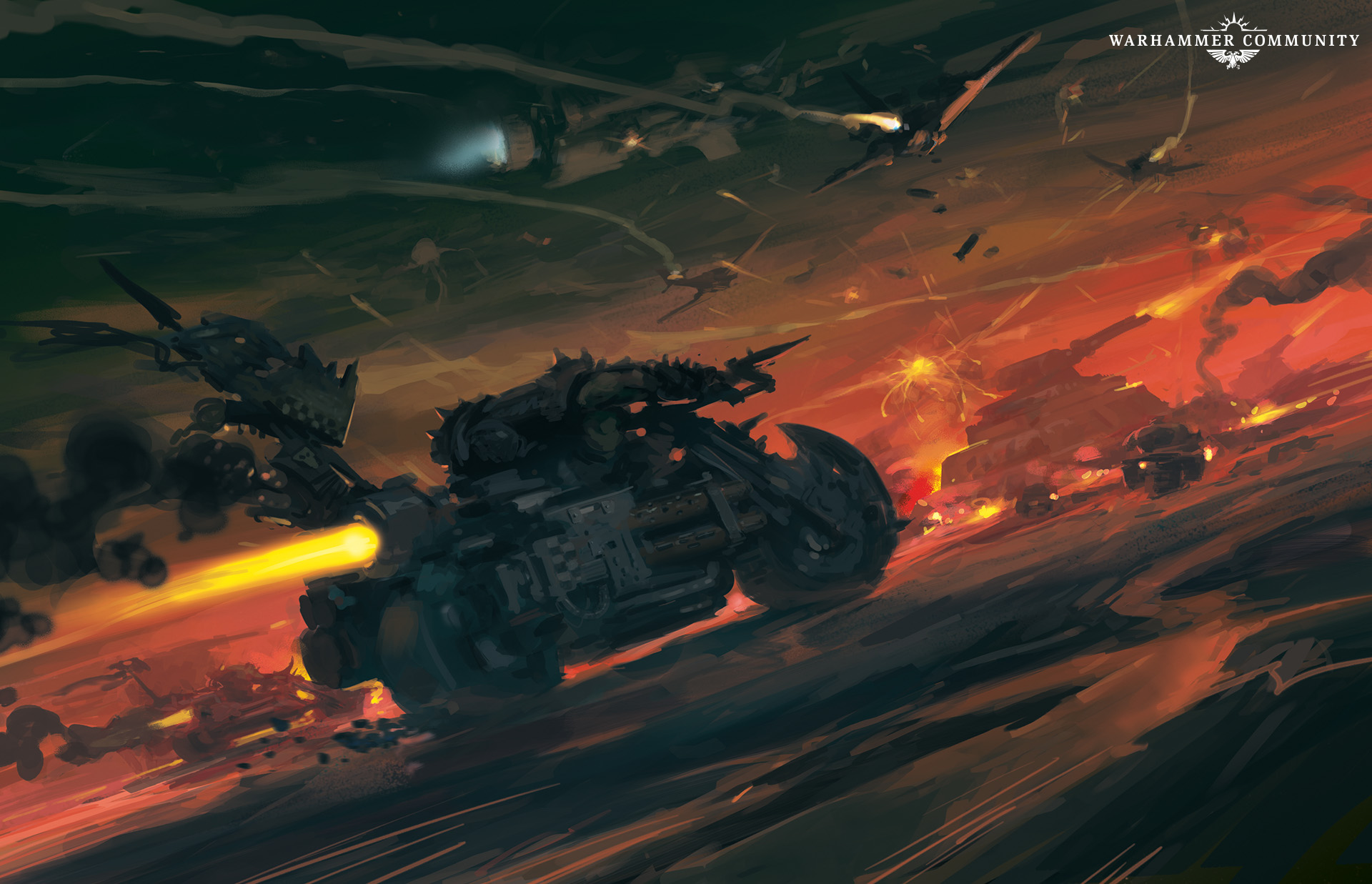
With Wazdakka Gutsmek and his Speedwaaagh! bearing down on the planet any moment now, it’s a mystery where his roaring tide of bikers and buggies will land and cause havoc. You can find out when Armageddon: The Return of Yarrick goes up for pre-order very soon, and join either the Ork menace or the Imperial defenders as the battle for Armageddon continues.
* Along with the Season of Fire and Season of Blood, there’s also a Season of Shadow, so tourists should be careful about when they book their holidays to Armageddon.
** Some rumours say it was even the first hive city ever founded on Armageddon.
*** Boo! Hiss!



-kjet09fot2.jpg)