



The war world of Armageddon has a long and tortured history, and over the next few weeks, we’ll be looking at the story behind its ongoing conflicts and the embattled region it lies in. Today, we kick things off with the wider Armageddon System and its planets.
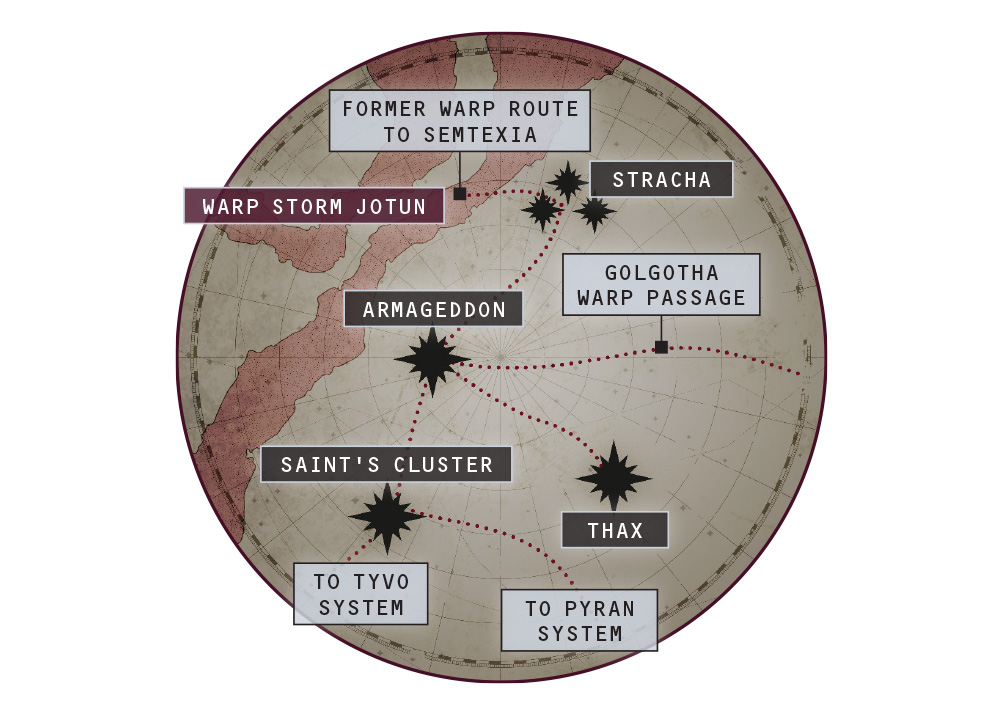
Armageddon’s position in the Armageddon Sector
The Armageddon System – which contains the planet Armageddon – lies within the Armageddon Sub-sector of the Armageddon Sector. This might give you some impression of how important the planet is.
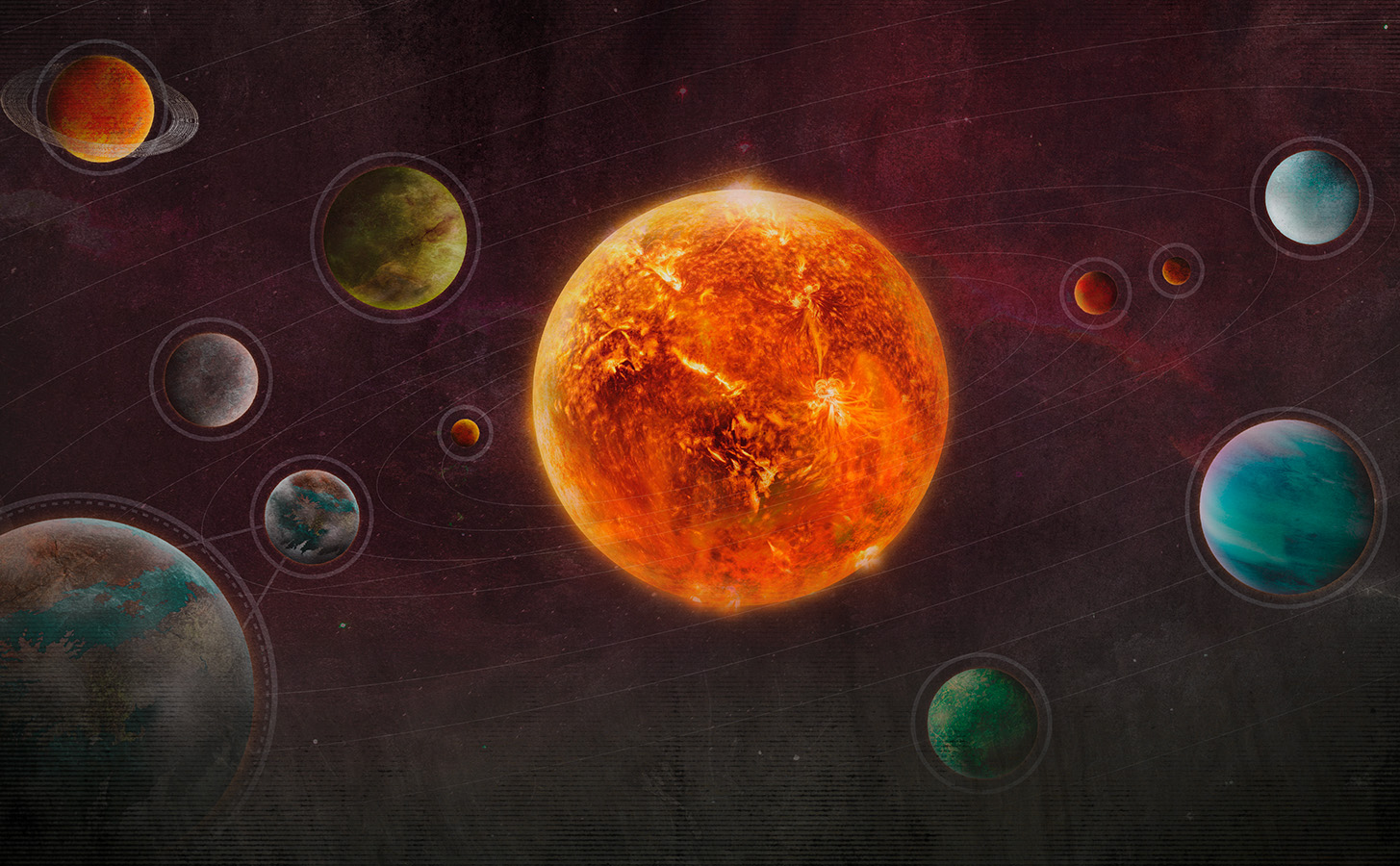
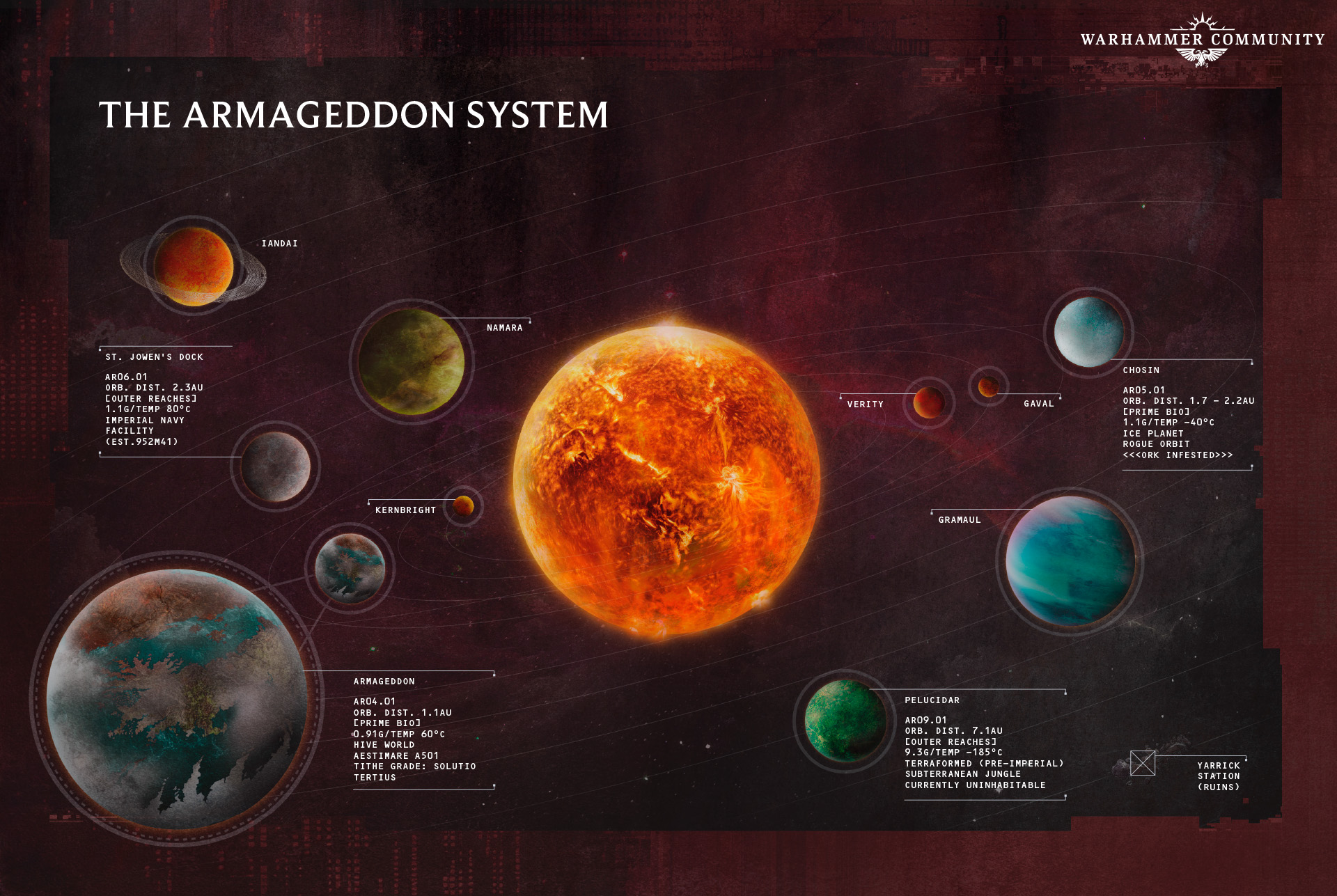
Armageddon itself lies within a system of 10 planets. By and large, conditions are similar to those in the Sol system, with terrestrial worlds and gas giants arrayed in broadly circular orbits – with one exception.
The Inner Worlds
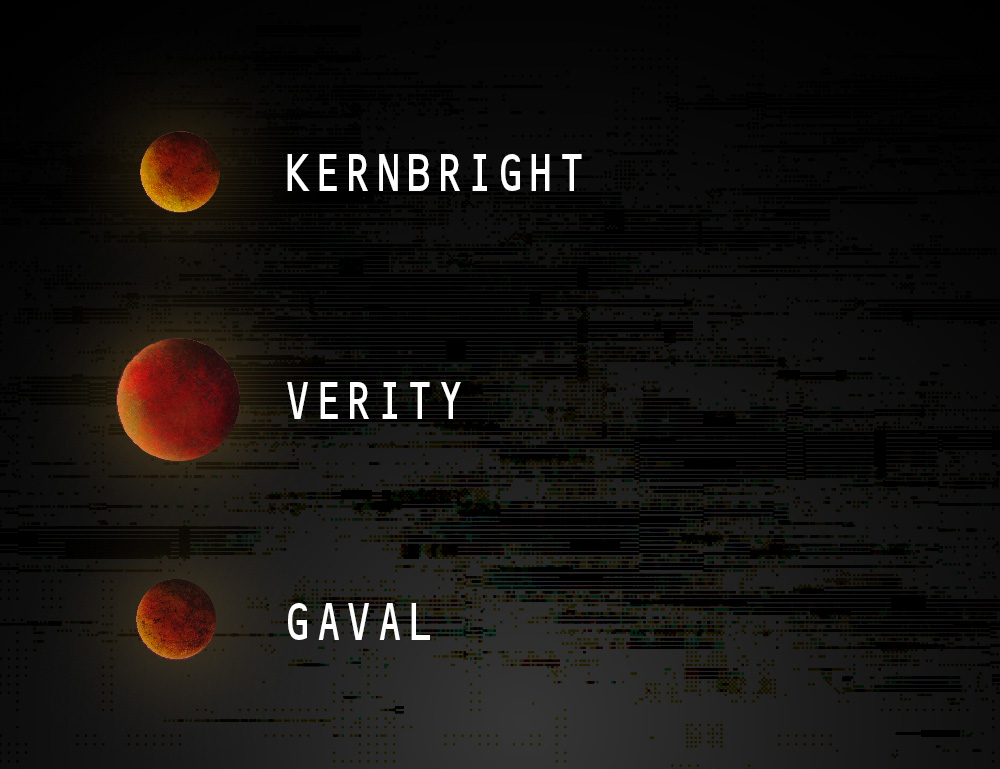
The first three planets in the Armageddon system are little more than rocky balls heated to extreme temperatures by the star Tisra. The first two, Kernbright and Verity, are entirely uninhabitable, and in Verity’s case, so unstable that fleet-scale weapons discharge in the area presents a very real threat to its integrity.
Gaval is still incredibly hot on its barren surface, so much so that its sand melts into a glass-like substance during the day and cracks at night, but it contains so many valuable resources that the Imperium mines it anyway. Conditions are so unpleasant in its orbiting station that workers know it only as ‘The Oven’.
Armageddon
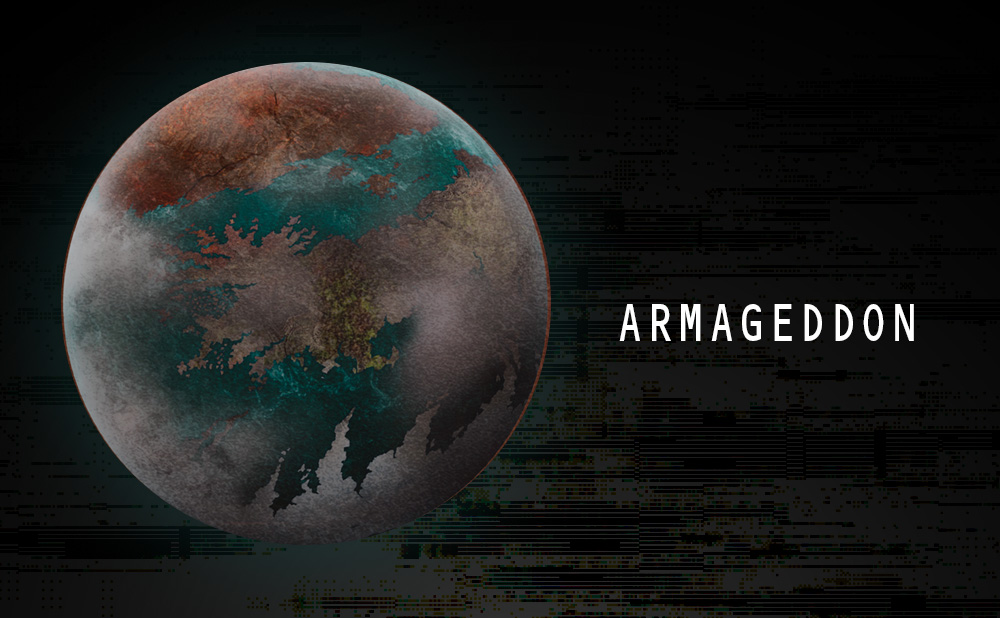
We know it, we love it. The fourth planet from Tisra is an unpleasantly hot place to be, even without all the xenos invasions and Daemonic incursions going on. We’ll talk more about it next week, but in planetary terms, it’s a little smaller than Terra with a weak magnetic field, so the incredible levels of pollution on the surface actually help to keep the atmosphere in. Silver linings!
Chosin
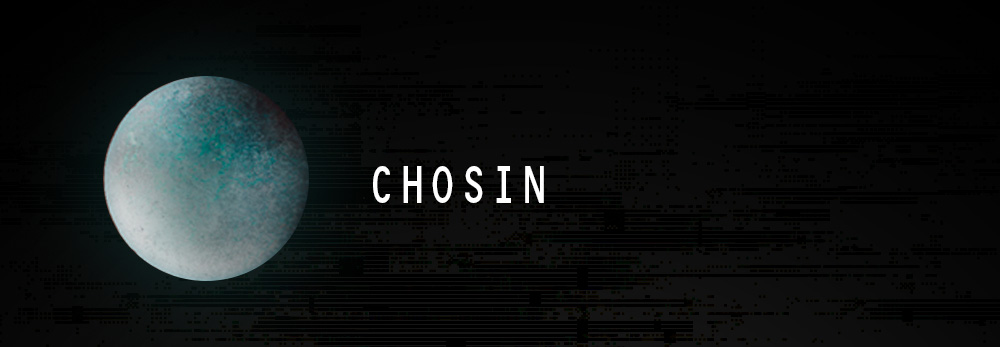
The surface of Chosin was once thought to have been cleansed of Orks after the Second War for Armageddon, but now swarms with them from pole to pole and is considered thoroughly lost by Imperial command. Its strangest quality is the erratic elliptical orbit that sometimes has it dipping closer to Tisra than Gaval, crossing Armageddon’s path several times in one rotation.
Old surveys and reports suggest that the odd orbit has a shocking explanation – the planet’s core has been almost completely displaced. Whether this is true or not, none can say, as a new expedition would have to fight through millions of Orks to confirm their findings.
St Jowen’s Dock
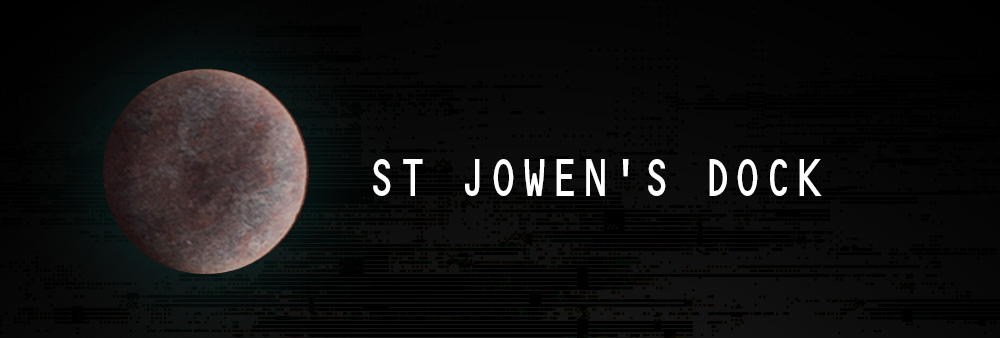
The sixth planet has always had a nominal Imperial Navy presence on it, but after the first time Commissar Yarrick booted Ghazghkull off-world, it was expanded to serve as the home base for Battlefleet Armageddon. You’ll find almost everything a fleet could possibly need: extensive dockyards that can berth even the largest Imperial battleships, a Naval Academy supplying the constant need for fresh officers, and an extensive network of command bunkers eight miles beneath Mount Ethan.
The Gas Giants
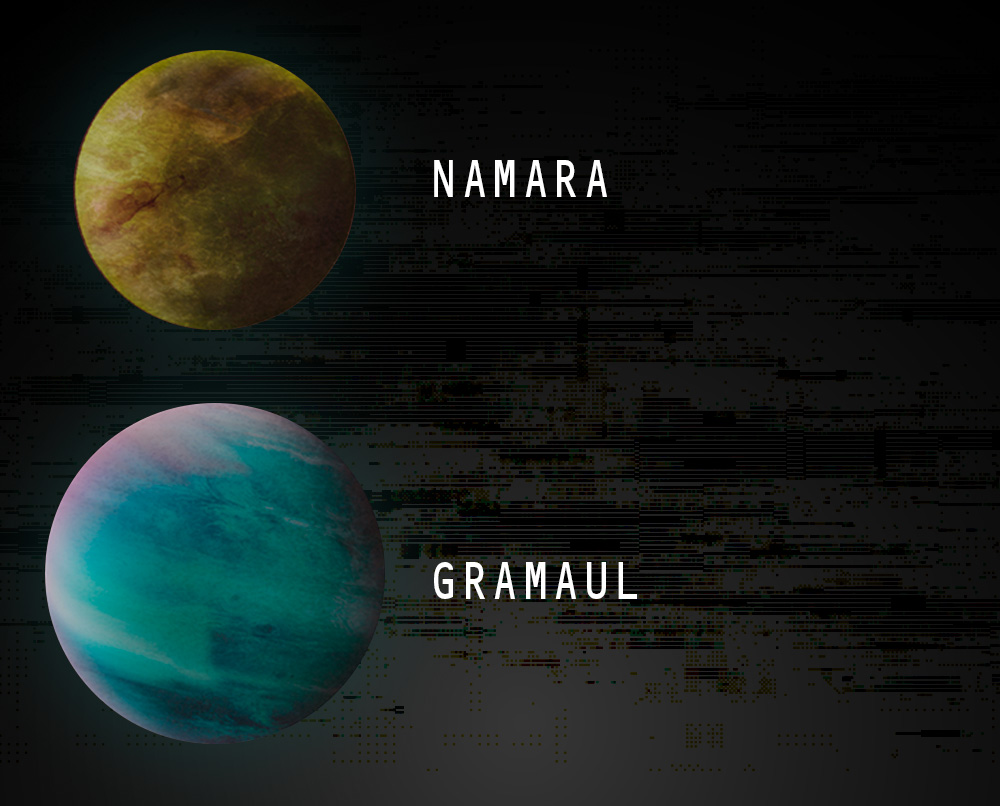
Two large gas giants sit in the centre of the system. The smaller, Namara, has a relatively zippy rotation speed, causing its thick atmosphere to swirl in hypnotic, headache-inducing patterns. You would think this might stop people trying to mine its solid core for valuable materials, but… no.*
Gramaul, on the other hand, is almost entirely unremarkable with no solid core to speak of. The same can’t be said for its five moons, though, and the smallest is actually the site of several archaeological digs where rumours suggest the remains of a precursor civilisation have been found.
The Outer Worlds
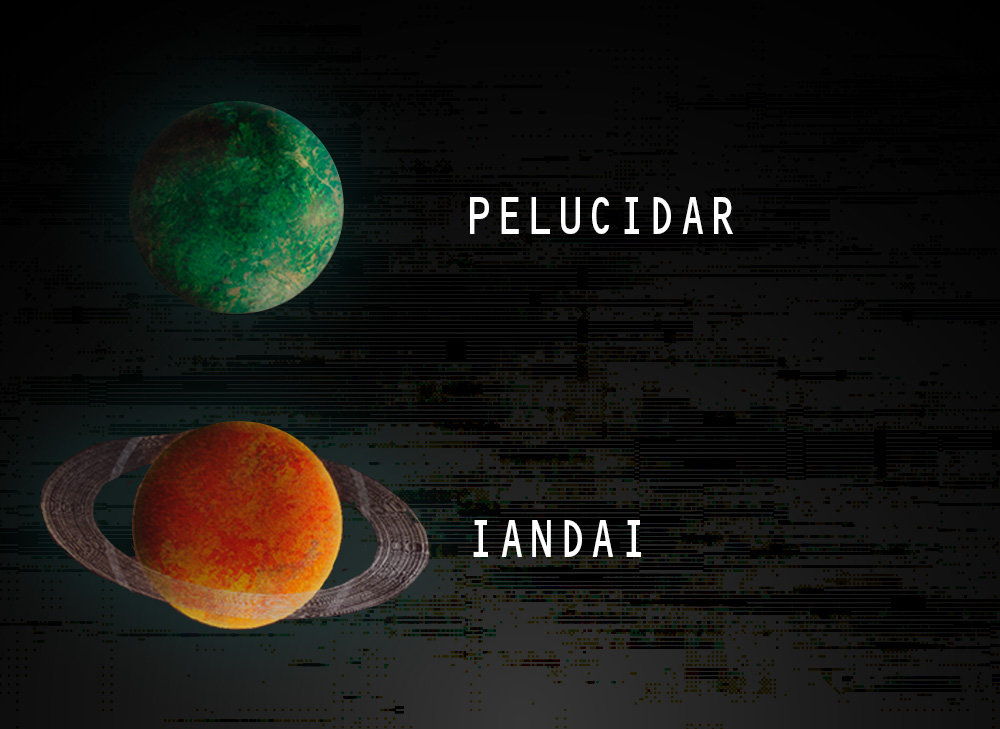
The brutally inhospitable surface of Pelucidar belies a lush and vibrant ecosystem within its subterranean caves, where vegetation that purifies the sulphuric air appears so tailor-made for the environment that some Magi Biologis claim it was, in fact, tailor-made in pre-Imperial times. Monitoring probes have noted that Orks attempted to settle in the caves during the Third War for Armageddon to no success, proving just how lethal Pelucidar still is to sentient life.
The final planet, a ringed gas giant called Iandai, sports few resources worth plundering and doesn’t even have a moon to support resupply of scouting vessels at the system’s edge. Its only real value would be as a hiding spot and staging point for invading Ork fleets, leading to the planet’s ring being turned into an immense minefield.
The Monitor Stations
The Armageddon System was once guarded by three great monitoring stations, named Mannheim, Dante, and Yarrick, after some of the planet’s greatest defenders.**
These formidable installations were constructed after the Second War for Armageddon, and it was hoped they would provide early warning should the system be targeted once more. All three of these stations would be destroyed in the first stages of the Third War for Armageddon, as the Ork armada advanced on Armageddon.
Next week, we’ll be pulling out a map of Armageddon and getting to know all of the delightful places you’ll soon see filled with Orks when Armageddon: The Return of Yarrick goes up for pre-order soon. It’s all gearing up for the Great Waaagh! when the new edition of Warhammer 40,000 launches with the Armageddon boxed set – you can get a sneak peek of its miniatures with a fresh reveal every Monday.
* If only the Leagues of Votann were here.
** You’ll know two of them for sure. The third is Princeps Kurtiz Mannheim, a Titan commander from the Second War for Armageddon.